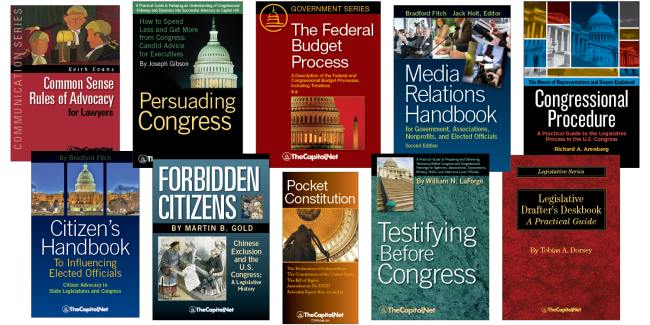
The Constitution of the United States: Amendments 1-10 are known as the Bill Of Rights
(The Preamble to The Bill of Rights)
Congress of the United States
begun and held at the City of New-York, on Wednesday the fourth of March, one thousand seven hundred and eighty nine.
THE Conventions of a number of the States, having at the time of their adopting the Constitution, expressed a desire, in order to prevent misconstruction or abuse of its powers, that further declaratory and restrictive clauses should be added: And as extending the ground of public confidence in the Government, will best ensure the beneficent ends of its institution.
RESOLVED by the Senate and House of Representatives of the United States of America, in Congress assembled, two thirds of both Houses concurring, that the following Articles be proposed to the Legislatures of the several States, as amendments to the Constitution of the United States, all, or any of which Articles, when ratified by three fourths of the said Legislatures, to be valid to all intents and purposes, as part of the said Constitution; viz.
ARTICLES in addition to, and Amendment of the Constitution of the United States of America, proposed by Congress, and ratified by the Legislatures of the several States, pursuant to the fifth Article of the original Constitution.
Note: The first ten amendments to the Constitution were ratified December 15, 1791, and form what is known as the “Bill of Rights.”
The “Other” Preamble
James Madison, 4th President of the United Sates, is known as “Father of the Constitution” and (together with George Mason) “Father of the Bill of Rights“.
More
- The Constitution of the United States: Amendments 1-10 are known as the Bill Of Rights, from The National Archives
- Wallet-sized Bill of Rights Card, from Two Seas Media
- Bill of Rights – Wikipedia
- Bill of Rights Institute
- George Mason
- James Madison
- The Constitution of the United States: A Transcription – The National Archives
- United States Constitution: Texts, Commentaries, Historical Texts and Judicial Decisions – Law Library of Congress
- The Constitution of the United States of America: Analysis and Interpretation – FDsys
- “Federalism, State Sovereignty, and the Constitution: Basis and Limits of Congressional Power,” CRS Report RL30315
- “Madison’s Consistency on the Bill of Rights,” by Michael P. Zuckert, National Affairs, Spring 2021
- “12 Marvelous Quotes on the Bill of Rights,” by Lawrence W. Reed, FEE, December 15, 2021
The Cato Home Study Course, Vol. 7: The Bill of Rights and Subsequent Amendment to the Constitution
How to Remember The Bill of Rights
The Bill of Rights
Bill of Rights Photostory
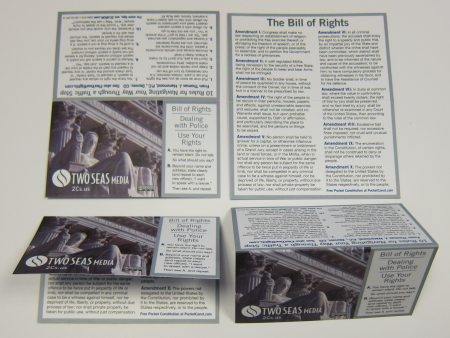
Wallet-sized Bill of Rights Card, from Two Seas Media
A free download of our Pocket Constitution is available on Scribd.
Pocket Constitution: details on our web site.
The Five Thousand Year Leap: 28 Great Ideas That Changed the World
The American Patriot’s Almanac: Daily Readings on America
The Making of America: The Substance and Meaning of the Constitution
The Federalist Papers
The Politically Incorrect Guide to the Constitution
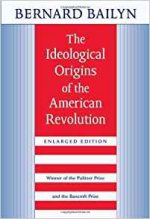
The Ideological Origins of the American Revolution
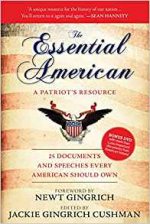
The Essential American: 25 Documents and Speeches Every American Should Own
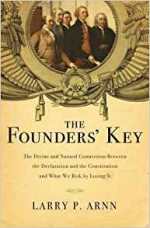
The Founders’ Key: The Divine and Natural Connection Between the Declaration and the Constitution and What We Risk by Losing It
For more than 40 years, TheCapitol.Net and its predecessor, Congressional Quarterly Executive Conferences, have been teaching professionals from government, military, business, and NGOs about the dynamics and operations of the legislative and executive branches and how to work with them.
Our custom on-site and online training, publications, and audio courses include congressional operations, legislative and budget process, communication and advocacy, media and public relations, testifying before Congress, research skills, legislative drafting, critical thinking and writing, and more.
TheCapitol.Net is on the GSA Schedule, MAS, for custom on-site and online training. GSA Contract GS02F0192X
TheCapitol.Net is now owned by the Sunwater Institute.
Teaching how Washington and Congress work ™